 Brands
 Blog
Ekseption Skincare for Pigmentation, Dark Spots and Melasma
Ekseption Skincare for pigmentation and melasma
Dark spots develop when the skin produces excess melanin in specific areas. They can appear as sunspots, age spots, marks following blemishes or larger areas of discolouration such as melasma.
Ekseption pigmentation products combine pigment-regulating ingredients with antioxidants, hydration and gentle exfoliation. This approach helps the complexion appear brighter and more even without unnecessarily stressing the skin.
What causes pigmentation?
• UV exposure and insufficient sun protection.
• Hormonal changes, including those associated with melasma.
• Genetics.
• Skin ageing.
• Inflammation, acne or skin injuries.
• Scratching, rubbing or squeezing blemishes.
• Barrier irritation following aggressive treatments.
• Certain medicines or medical conditions.
What is the difference between dark spots and melasma?
Dark spots may develop locally because of sun exposure, ageing or previous inflammation. Post-inflammatory hyperpigmentation consists of dark marks left behind after conditions such as acne.
Melasma generally appears as larger, often symmetrical brown patches on the cheeks, forehead or upper lip. Hormones, sunlight and heat can influence melasma. It commonly returns and requires long-term care and highly consistent sun protection.
Which ingredients help address pigmentation?
• Tranexamic acid helps reduce the visible appearance of pigmentation and uneven tone.
• Niacinamide supports a more even complexion and the skin barrier.
• Vitamin C provides antioxidant support and promotes a brighter appearance.
• Hexylresorcinol is used to help regulate pigment formation.
• Phytic acid and PHA gently exfoliate and support smoother, more even-looking skin.
• Retinol supports skin renewal but needs to be introduced carefully.
• SPF 50 helps limit new discolouration and prevents existing marks from becoming darker.
Which Ekseption products suit dark spots?
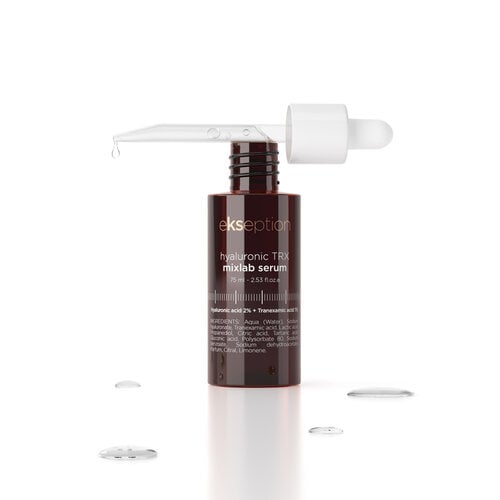
Hyaluronic TRX Mixlab Serum
A hydrating tranexamic acid serum for pigmentation, melasma and uneven tone. Suitable as a targeted serum in the morning or evening routine.
Spotless Ultra Serum
A concentrated serum for visible pigmentation and irregular skin tone. Use it beneath a suitable moisturiser and daily sunscreen.
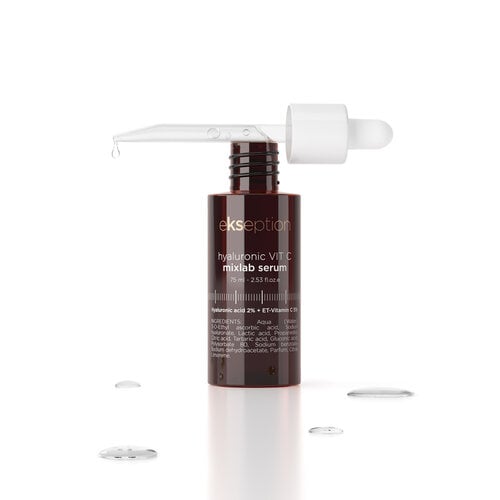
Hyaluronic Vitamin C Mixlab Serum
An antioxidant serum containing vitamin C and hyaluronic acid. It helps dull and uneven-looking skin appear brighter and is particularly suitable for morning use beneath SPF 50.
White-Up Sorbet
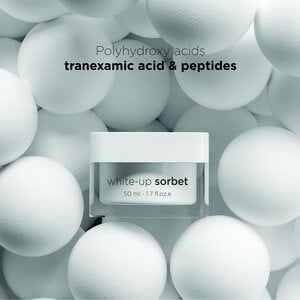
A hydrating and brightening cream containing ingredients including tranexamic acid, lactobionic acid and nonapeptide-1. Suitable for all skin types affected by pigmentation, dullness or uneven discolouration.
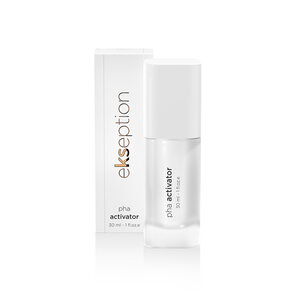
PHA Activator
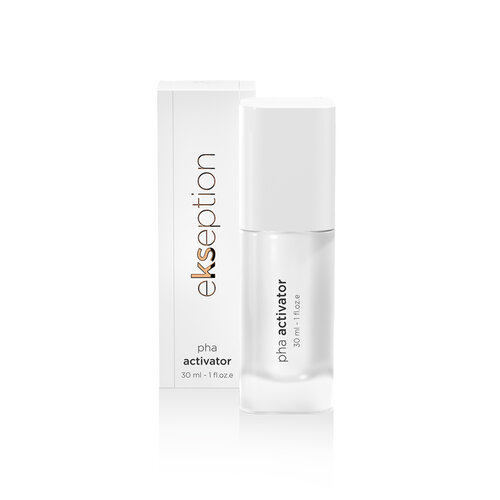
A micro-exfoliating night cream that helps improve the appearance of skin texture and pigmentation. Particularly suitable for dry or mature skin. Introduce it gradually.
Ferulic Activator
A micro-exfoliating night cream with antioxidant properties for normal to oily skin. Suitable when pigmentation occurs alongside dullness or uneven texture.
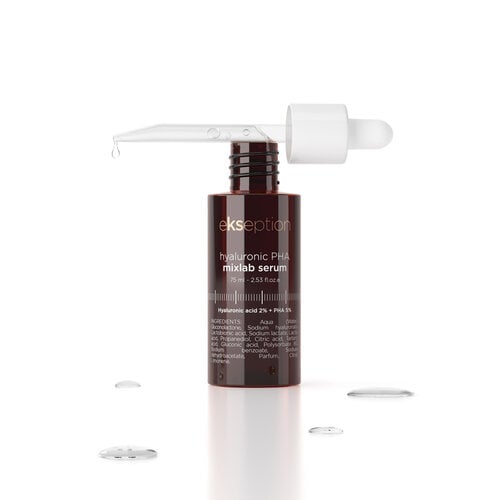
Hyaluronic PHA Mixlab Serum
A hydrating PHA serum for gentle exfoliation. It can gradually refine the appearance of texture and uneven tone without requiring an intensive peel.
Super Retinol Fluid
A retinol and bakuchiol serum for uneven texture and skin tone. Use it only at night and not alongside activators, strong acids or peels.
All Day Shield SPF 50
The most important part of every pigmentation routine. Apply a generous amount every morning and reapply during prolonged outdoor exposure, after sweating or after drying the face.
Morning routine for pigmentation
- Cleanse with a gentle Ekseption cleanser.
- Apply Hyaluronic TRX or Hyaluronic Vitamin C.
- Use White-Up Sorbet or another suitable moisturiser.
- Always finish with All Day Shield SPF 50.
- Reapply sunscreen during the day when exposed to sunlight.
Evening routine without exfoliation
- Remove make-up and sunscreen.
- Cleanse gently.
- Apply Hyaluronic TRX or Spotless Ultra Serum.
- Finish with White-Up Sorbet or a suitable hydrating moisturiser.
Active evening
Choose one of the following:
• PHA Activator.
• Ferulic Activator.
• Hyaluronic PHA Mixlab Serum.
• Super Retinol Fluid.
• Triple Acid Peeling Mask according to its directions.
Do not use several intensive products in the same routine. Begin with one or two active evenings per week and alternate them with hydrating recovery evenings.
Which products combine well?
• Hyaluronic TRX with White-Up Sorbet.
• Hyaluronic Vitamin C in the morning with SPF 50.
• Spotless Ultra Serum with a gentle hydrating moisturiser.
• Hyaluronic PHA with a simple moisturiser.
• Post-Peel Glacier Mask during a recovery evening.
• A pigmentation serum with consistent daily sun protection.
Which combinations should be avoided?
Do not combine the following in the same evening routine:
• PHA Activator with Ferulic Activator.
• An activator with Super Retinol Fluid.
• Retinol with Triple Acid Peeling Mask.
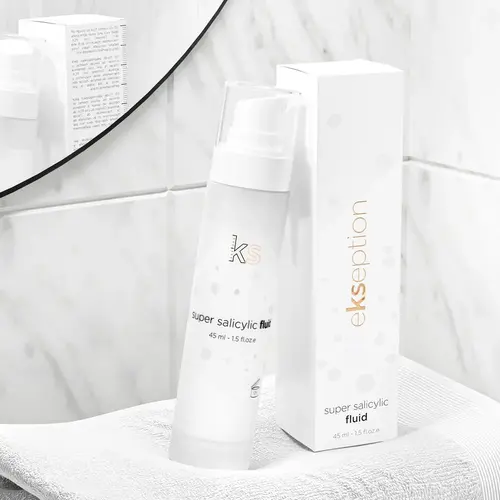
• Retinol with Super Salicylic Fluid.
• Hyaluronic PHA with an intensive peel.
• Enzyme Powder Cleanse & Peel with several other exfoliants.
• Ice Cream Repair or Caviar Repair with Super Retinol Fluid, as these creams also contain retinol.
Excessive exfoliation or irritation can worsen pigmentation, especially in skin prone to post-inflammatory hyperpigmentation.
Important tips for dark spots
• Apply SPF 50 every day, including during winter.
• Wear a hat and seek shade during strong sunlight.
• Do not squeeze blemishes or rub the skin aggressively.
• Introduce one new active ingredient at a time.
• Expect gradual results and use the routine consistently.
• Continue sun protection after pigmentation becomes less visible.
• Retinoids are generally avoided during pregnancy and breastfeeding.
Cosmetic skincare can make pigmentation less noticeable but may not completely remove melasma or deeper pigmentation. A new, rapidly changing, irregular, itching or bleeding pigmented mark should always be assessed by a doctor or dermatologist.